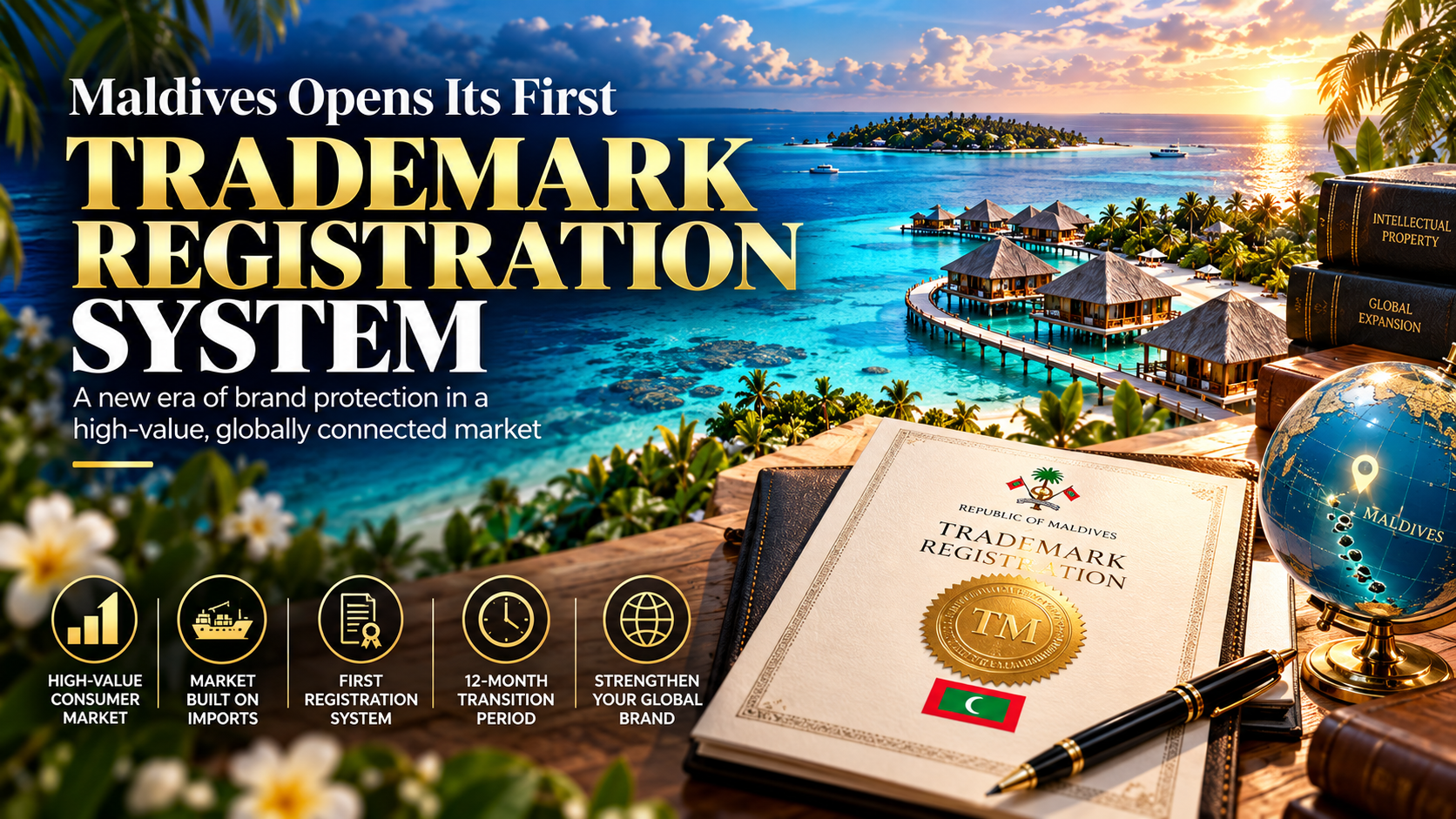
Maldives Opens Its First Trademark Registration System: Why Brand Owners Should Act Early
For decades, businesses operating in or expanding into the Republic of Maldives faced a unique challenge: the country had no formal trademark registration system. Brand owners could not obtain a trademark certificate, and legal protection relied largely on cautionary notices published in local newspapers. While these notices served as public warnings, they did not provide the same level of statutory rights and enforcement mechanisms commonly found in other jurisdictions.
That is now changing.
With the introduction of Law No. 19/2025, Maldives is entering a new era of intellectual property protection. Effective 11 November 2026, the country will officially launch its first national trademark registration system, creating a historic opportunity for local and international brand owners alike.








For businesses with international ambitions, this development should not be overlooked.
Access to South Asia’s Highest-Spending Market
Although Maldives has a relatively small population, it boasts the highest GDP per capita in South Asia. The country’s economy is driven by luxury tourism, premium hospitality, and high-value consumer spending.
Every year, millions of international tourists visit the Maldives, many of whom are affluent travelers seeking premium products and services. As a result, the commercial value of trademarks in the country is often much greater than its population size would suggest.
For brand owners, the risk is clear: if a trademark is copied, counterfeited, or registered by another party in Maldives, the infringement occurs in a market where consumers have significant purchasing power.
In other words, Maldives may be a small market by population, but it is a premium market by value.
A Market Built on Imports
Unlike many countries with substantial manufacturing industries, Maldives relies heavily on imported goods. Products ranging from food and beverages to cosmetics, fashion, electronics, and consumer goods are brought into the country through international supply chains.
This creates both opportunity and risk.
The same channels used to import genuine products can also be used to introduce counterfeit goods. Without a registered trademark, brand owners may face significant challenges when attempting to stop infringing products from entering the market.
Trademark registration provides a legal foundation that strengthens enforcement efforts and supports action against unauthorized use of a brand.
Moving Beyond Cautionary Notices
Historically, trademark protection in Maldives depended largely on Cautionary Notices published in local newspapers.
While these notices helped establish public awareness of trademark ownership claims, they did not provide a comprehensive statutory framework for enforcement. Businesses could not obtain official registration certificates, and legal certainty was limited compared to jurisdictions with established trademark laws.
The introduction of a formal registration system marks a major advancement in the country’s intellectual property landscape. Brand owners will finally have access to a structured legal mechanism designed to recognize and protect trademark rights.
A Historic First-Mover Opportunity
The most remarkable aspect of the new system is that it represents the first national trademark register in Maldivian history.
When the registration system becomes effective on 11 November 2026, the register will essentially begin from scratch. This creates a rare first-mover opportunity that is seldom available in modern intellectual property practice.
In most countries, trademark registers have existed for decades, meaning applicants must navigate around large numbers of prior registrations. In Maldives, however, businesses entering the system early will have the opportunity to secure their position before the register becomes crowded.
For many brand owners, this may be the best opportunity they will ever have to establish trademark rights in the country.
A 12-Month Transition Period
The new trademark framework includes a 12-month transition period, running from 11 November 2026 until 11 November 2027.
This period provides businesses with a valuable window to review their trademark portfolios, assess commercial activities in Maldives, and prepare filing strategies.
Companies that act promptly during this period may gain significant advantages over those that delay. As with many trademark systems around the world, early filing often plays a critical role in determining legal priority.
Strengthening Global Trademark Portfolios
International trademark registration is not only about protecting a brand in a single country.
Every additional jurisdiction in which a trademark is registered contributes to a stronger global intellectual property portfolio. For businesses pursuing international expansion, registrations across multiple countries demonstrate active brand protection and commercial presence.
Maldives can therefore become an important component of a broader international trademark strategy, particularly for companies operating in tourism, hospitality, consumer goods, luxury products, food and beverage, and e-commerce sectors.
Supporting Future Well-Known Mark Recognition
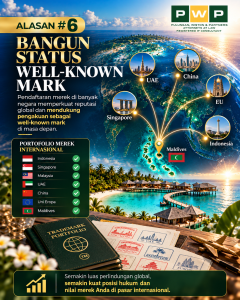
A strong international trademark portfolio may also contribute to future recognition as a well-known mark.
While well-known mark status depends on multiple legal and commercial factors, trademark registrations across various jurisdictions can help demonstrate the extent of a brand’s protection, reputation, and international reach.
For businesses seeking long-term brand value, trademark registration should be viewed as an investment rather than merely an administrative requirement.
Conclusion
The launch of Maldives’ first trademark registration system represents a significant milestone in the country’s legal and commercial development.
With a high-value consumer market, heavy reliance on imports, a newly established registration framework, and a limited transition period, brand owners have compelling reasons to consider trademark protection in Maldives sooner rather than later.
Most importantly, opportunities like this are exceptionally rare. The opening of an entirely new national trademark register offers businesses the chance to secure rights at the earliest stage of a country’s trademark system.
For companies looking to expand internationally, protect valuable intellectual property, and strengthen their global brand portfolio, Maldives deserves serious consideration as part of their trademark strategy.